For a long time, dentistry was viewed as separate from general medicine, as if the mouth were disconnected from the rest of the body. Biological dentistry bridges this gap, recognizing that every procedure performed in the mouth can have a profound impact on your systemic health.
What Is It?
Biological dentistry (sometimes called holistic or biocompatible dentistry) is an approach to dental care that considers the patient's entire physical and emotional health. It focuses on using the safest, most biocompatible materials available and minimizing the body's exposure to toxins and chronic inflammation.
Why Does It Matter?
The mouth is a primary gateway to the body. Infections in the teeth or gums (like periodontitis) don't stay localized; the bacteria and inflammatory markers enter the bloodstream, contributing to cardiovascular disease, diabetes, and immune system dysfunction. Biological dentistry aims to eliminate these oral burdens to support systemic healing.
Signs & Symptoms
- Chronic fatigue or unexplained systemic symptoms
- Sensitivity to certain metals or dental materials
- Bleeding gums and chronic bad breath
- A desire to replace old, deteriorating amalgam fillings
Common Causes
- Use of incompatible dental materials in the past
- Unresolved chronic infections (e.g., failing root canals or cavitations)
- Imbalances in the oral microbiome
- Poor diet affecting both oral and systemic health
Diagnosis & Assessment
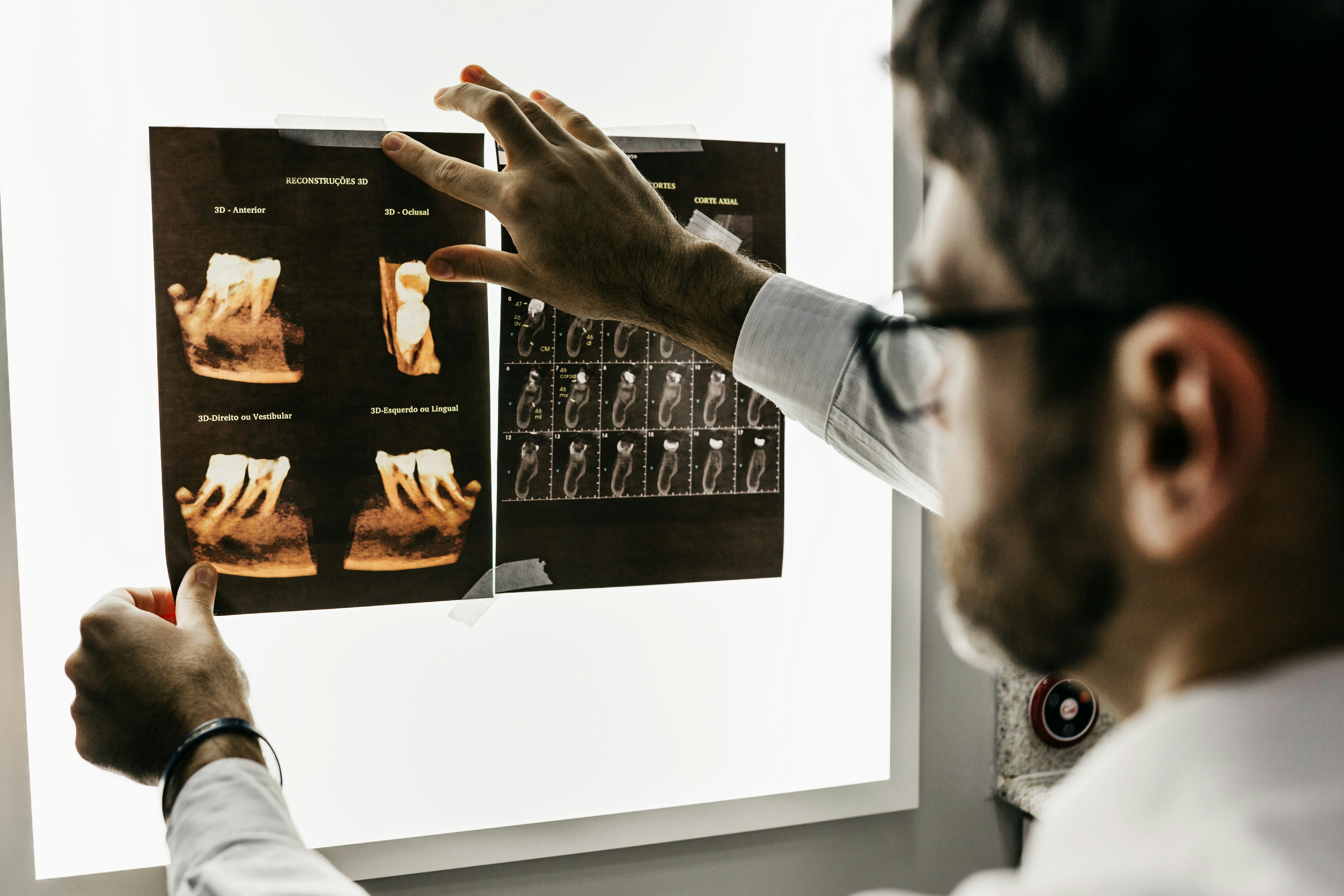
Diagnosis involves a comprehensive review of your medical and dental history. We may use biocompatibility testing to ensure the materials we plan to use will not cause an immune response. We also utilize 3D CBCT imaging to identify hidden infections in the jawbone.
Treatment Options
- Safe amalgam removal using strict protocols (SMART)
- Use of ceramic (zirconia) implants instead of titanium
- Ozone therapy for minimally invasive disinfection
- Guided Biofilm Therapy to manage the oral microbiome without harsh chemicals
- Biocompatible composite and ceramic restorations
Benefits
- Reduces the toxic burden on the body
- Supports the immune system by eliminating chronic oral infections
- Provides highly aesthetic, metal-free restorations
- Promotes long-term health and longevity
Risks & Limitations
- Biological treatments and materials may sometimes require a higher initial investment.
- Requires a dentist with specific training in biological protocols.