Losing a tooth can significantly impact your confidence, your ability to chew, and your overall oral health. While dentures and bridges have been used for decades, dental implants represent the modern gold standard in restorative dentistry, offering a permanent solution that mimics the structure of a natural tooth.
What Is It?
A dental implant is a small, biocompatible titanium screw that is surgically placed into the jawbone. Over a few months, the bone fuses with the titanium (a process called osseointegration). Once healed, an abutment is attached to the implant, and a custom-made ceramic crown is placed on top.
Why Does It Matter?
When you lose a tooth, the jawbone in that area no longer receives stimulation from chewing, causing it to shrink and resorb over time. This can lead to changes in facial structure and affect neighboring teeth. Implants are the only tooth replacement option that stimulates the bone, preventing this loss.
Signs & Symptoms
- Missing one or more teeth
- Difficulty chewing certain foods
- Loose or uncomfortable dentures
- Changes in facial appearance due to missing teeth
Common Causes
- Severe tooth decay
- Advanced gum disease (periodontitis)
- Dental trauma or injury
- Congenitally missing teeth
Diagnosis & Assessment
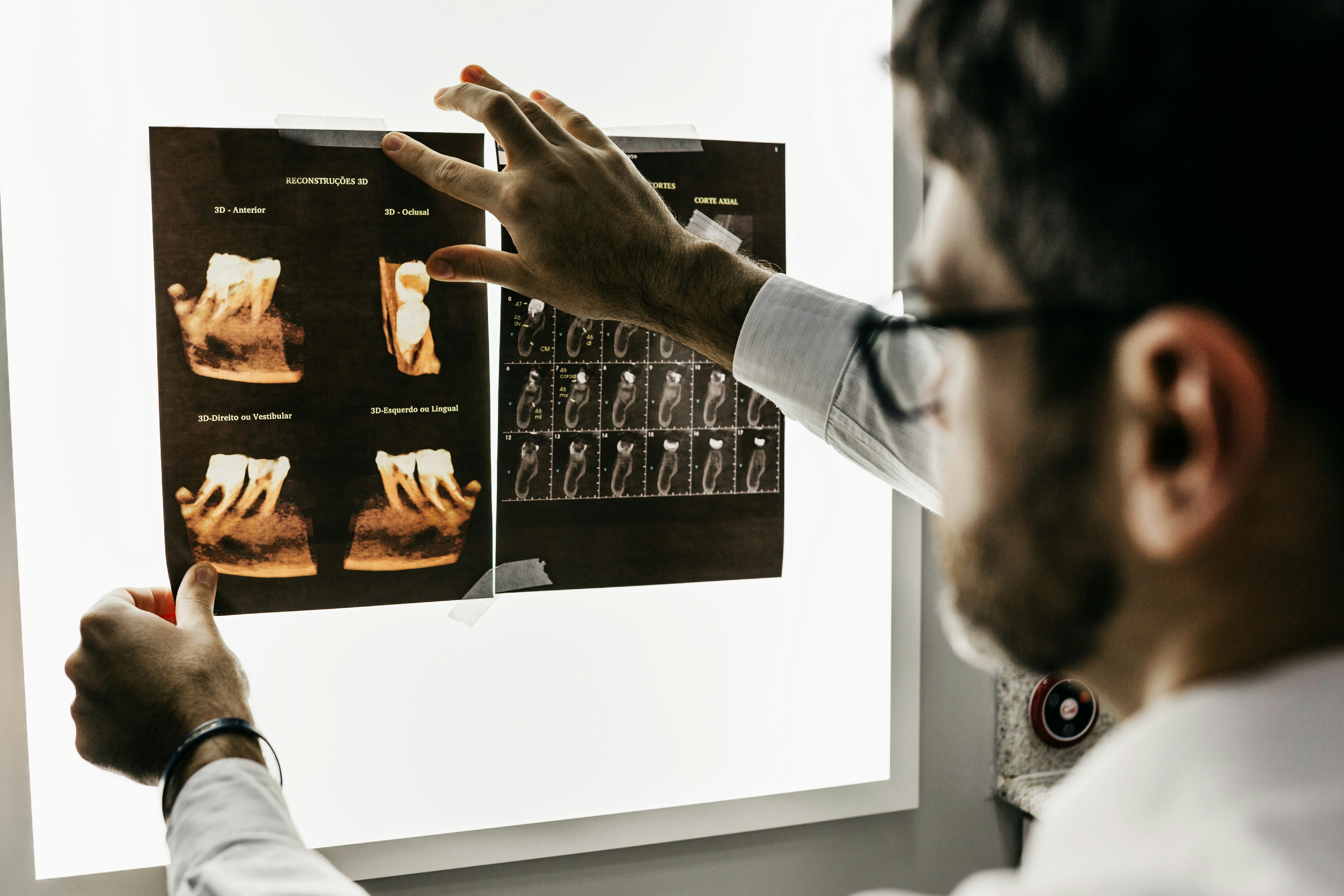
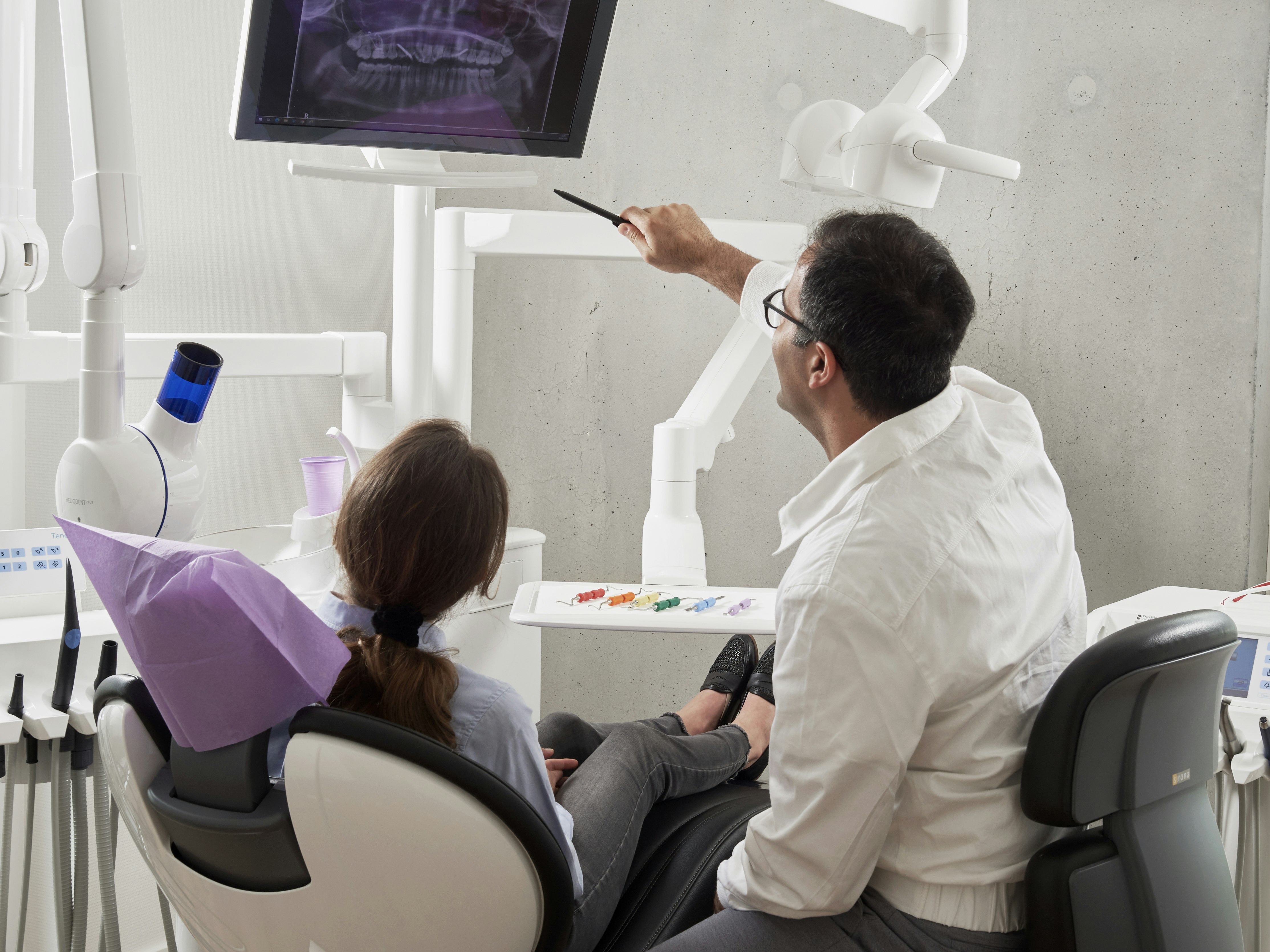
Successful implant placement requires meticulous planning. We use CBCT 3D imaging to assess bone volume, nerve positions, and sinus cavities. We also evaluate your overall health and periodontal status to ensure you are a suitable candidate.
Treatment Options
- Single tooth implants
- Implant-supported bridges for multiple missing teeth
- Full arch implants (All-on-4 or All-on-6) for complete tooth replacement
- Bone grafting or sinus lifts if bone volume is insufficient
Benefits
- Looks, feels, and functions like a natural tooth
- Preserves jawbone and facial structure
- Does not damage adjacent healthy teeth
- Highly durable and can last a lifetime with proper care
Risks & Limitations
- Requires a surgical procedure and healing time
- Not suitable for patients with uncontrolled diabetes or severe untreated gum disease
- Smoking significantly increases the risk of implant failure