Many people grind or clench their teeth, a condition known as bruxism, often without realizing it until a dentist points out the damage. While stress is a common culprit, emerging research shows that nocturnal tooth grinding is frequently linked to a much more serious issue: airway restriction and sleep-disordered breathing.
What Is It?
Bruxism involves the involuntary gnashing, grinding, or clenching of teeth. It can happen during the day (awake bruxism) or at night (sleep bruxism). Sleep bruxism is considered a sleep-related movement disorder.
Why Does It Matter?
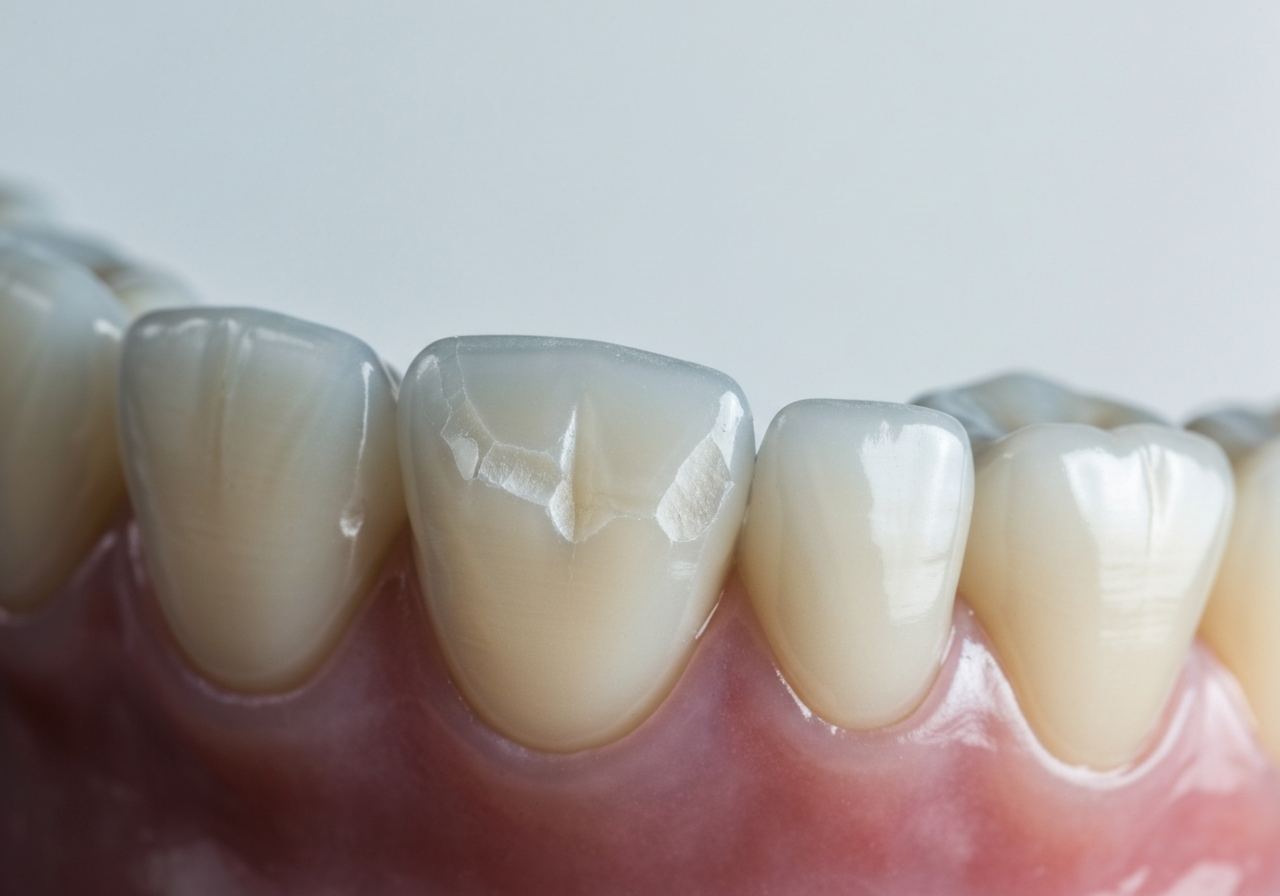
The forces exerted during sleep bruxism are incredibly high, much greater than when chewing food. Over time, this can lead to severe tooth wear, fractured teeth, failing dental restorations, and chronic jaw (TMJ) pain. Furthermore, if the bruxism is a symptom of sleep apnoea, leaving it untreated means the underlying health risks of poor sleep are also ignored.
Signs & Symptoms
- Flattened, fractured, chipped, or loose teeth
- Worn tooth enamel, exposing deeper layers of the tooth
- Increased tooth pain or sensitivity
- Tired or tight jaw muscles, or a locked jaw
- Dull headache starting in the temples
Common Causes
- Sleep-disordered breathing (e.g., Obstructive Sleep Apnoea)
- Stress and anxiety
- An abnormal bite (malocclusion)
- Certain medications or lifestyle factors (caffeine, alcohol)
Diagnosis & Assessment
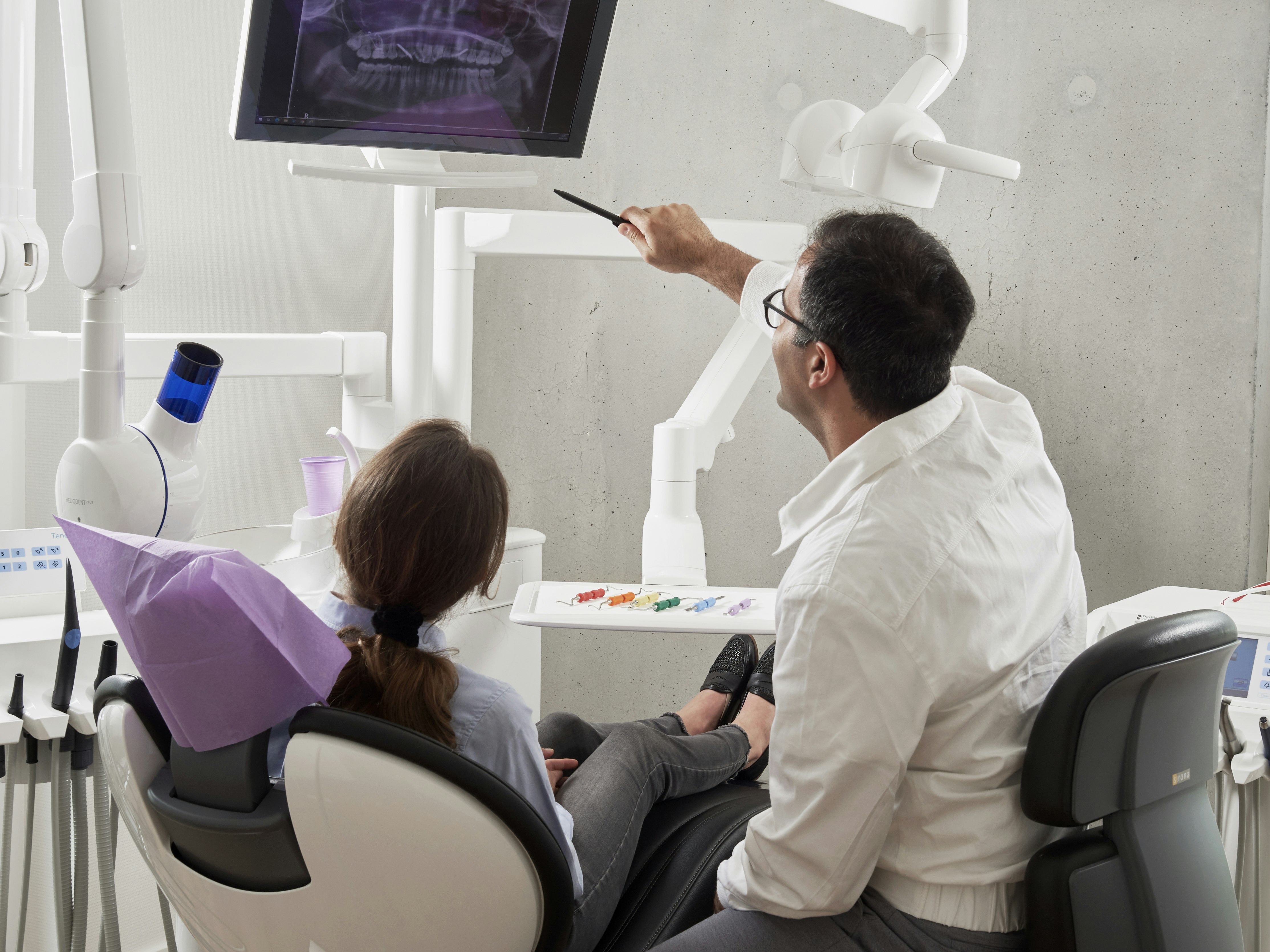
Diagnosis involves a clinical examination to check for signs of wear and muscle tenderness. We also look closely at the airway and may recommend a sleep study if we suspect the grinding is related to sleep apnoea.
Treatment Options
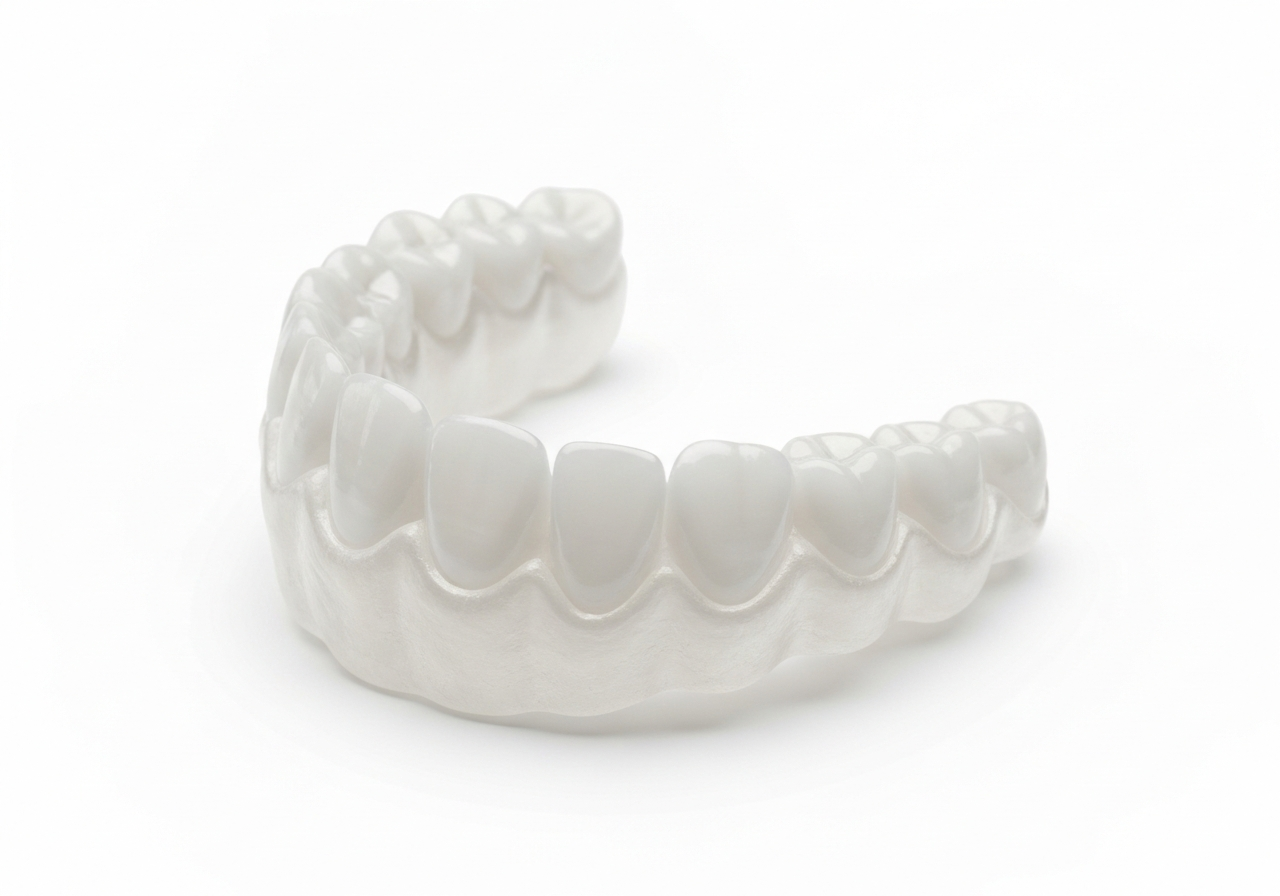
- Custom-fitted night guards to protect the teeth from damage
- Addressing underlying sleep apnoea with oral appliances or other therapies
- Orthodontic treatment to correct bite alignment
- Stress management techniques
Benefits
- Prevention of further tooth wear and damage
- Relief from jaw pain and headaches
- Improved sleep quality if underlying airway issues are addressed
Risks & Limitations
- A night guard alone may protect the teeth but won't stop the grinding or treat underlying sleep apnoea.