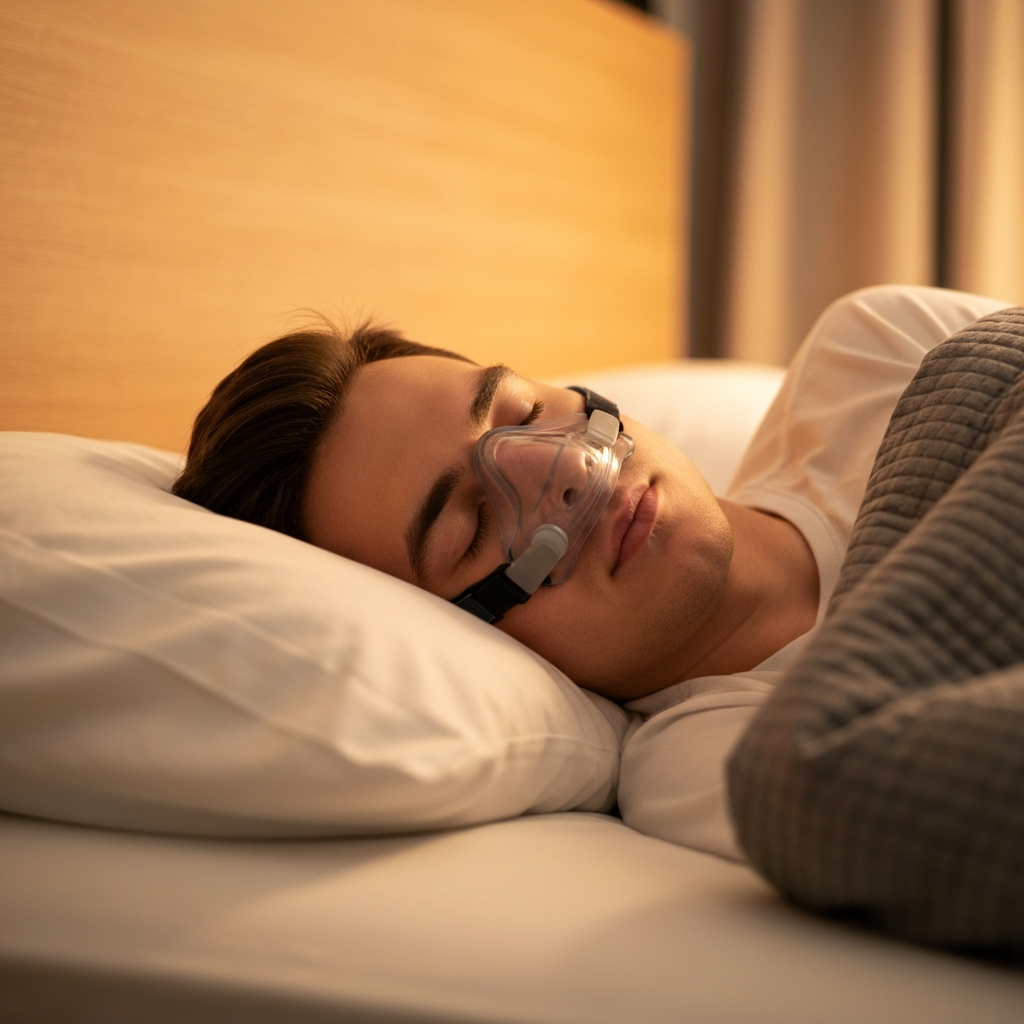

Obstructive Sleep Apnoea (OSA) is a serious medical condition characterized by repeated pauses in breathing during sleep. While it is primarily treated by medical doctors and sleep specialists, the signs of OSA are often most visible in the mouth. In many cases, a well-trained dentist is the first healthcare professional to suspect a patient has sleep apnoea.
What Is It?
OSA occurs when the muscles in the back of the throat relax too much during sleep, causing the airway to collapse and block the flow of air. The brain senses the drop in oxygen and briefly wakes the body to reopen the airway, a cycle that can repeat dozens of times an hour.
Why Does It Matter?
Untreated OSA is linked to hypertension, heart disease, stroke, and diabetes. From a dental perspective, the body's struggle to breathe during sleep wreaks havoc on the teeth and gums, leading to rapid dental deterioration.
Signs & Symptoms
- Severe tooth wear (attrition) from nocturnal grinding
- A 'scalloped' tongue (indentations along the edge of the tongue from pressing against the teeth)
- Enlarged tonsils or a narrow, vaulted palate
- Red, inflamed gums despite good oral hygiene (due to mouth breathing)
- Frequent morning headaches and jaw pain
Common Causes
- The link to bruxism: When the airway collapses, the brain sends a panic signal to the jaw muscles to push the lower jaw forward and open the airway. This forward thrusting manifests as severe teeth grinding.
- The link to decay: OSA sufferers often breathe through their mouths. This dries out saliva, which is the mouth's natural defense against bacteria, leading to a higher risk of cavities and periodontal disease.
Diagnosis & Assessment
While a dentist cannot legally diagnose OSA, we are expertly positioned to screen for it. We look for the intraoral signs mentioned above and use questionnaires like the STOP-BANG or Epworth Sleepiness Scale. If OSA is suspected, we refer you to a sleep physician for a formal sleep study (polysomnography).
Treatment Options
- Mandibular Advancement Devices (MAD): Custom dental appliances that hold the jaw forward during sleep to keep the airway open (effective for mild to moderate OSA).
- Palatal Expansion (MARPE): Widening the upper jaw to increase nasal cavity volume and improve airflow.
- CPAP Therapy: The gold standard medical treatment for severe OSA.
- Myofunctional Therapy: Exercises to strengthen the tongue and throat muscles to prevent airway collapse.
Benefits
- Treating OSA protects the teeth from further grinding damage.
- Improves systemic health, reducing the risk of cardiovascular events.
- Restores energy levels and improves overall quality of life.
Risks & Limitations
- Dental appliances are not suitable for all cases of OSA, particularly severe cases or centrally-mediated apnoea.