When we think about oral health, we usually focus on avoiding cavities and gum disease. However, there is a third, equally important pillar of dental health: occlusion. Occlusion simply means how your teeth come together when you close your mouth and chew.
What Is It?
Functional occlusion is the harmonious relationship between your teeth, your jaw joints (TMJ), and the muscles that control your jaw. When these three elements work together smoothly, your bite is stable. When they are out of sync, it is known as malocclusion or occlusal disease.
Why Does It Matter?
An unbalanced bite places abnormal and destructive forces on your teeth and jaw joints. Over time, this leads to severe tooth wear, fractured teeth, failing dental restorations, chronic jaw pain, and tension headaches. Establishing a stable occlusion is the cornerstone of longevity dentistry.
Signs & Symptoms
- Teeth that are chipping or fracturing easily
- Pain or tenderness in the jaw muscles
- Clicking or popping in the jaw joint
- Unexplained tooth sensitivity
- A feeling that your bite is 'off' or constantly changing
Common Causes
- Crooked or misaligned teeth
- Missing teeth that have caused adjacent teeth to shift
- Poorly designed dental crowns or fillings that alter the bite
- Trauma to the jaw or face
Diagnosis & Assessment
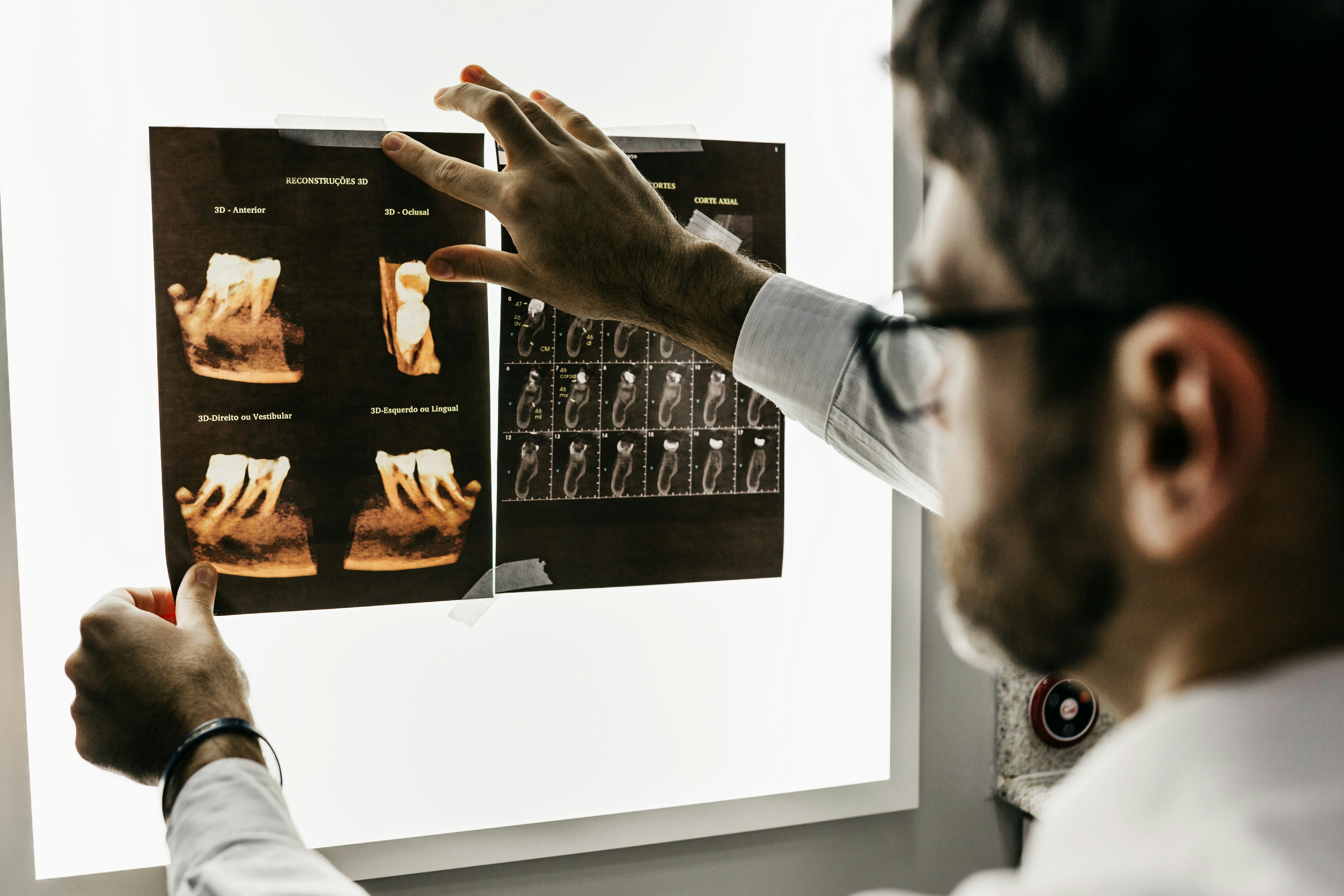
We use advanced diagnostic tools, including digital bite analysis and CBCT imaging, to evaluate your occlusion. We assess how your teeth meet, how your jaw moves, and the health of your temporomandibular joints.
Treatment Options
- Occlusal Equilibration: Carefully reshaping the biting surfaces of the teeth to distribute forces evenly.
- Orthodontics: Moving teeth into a more functional and stable position.
- Restorative Dentistry: Rebuilding worn or damaged teeth with crowns or onlays to establish a correct bite.
- Occlusal Splints: Custom devices worn to de-program the jaw muscles and protect the teeth.
Benefits
- Prevents further damage to natural teeth and restorations
- Alleviates TMJ pain and muscle tension
- Improves chewing efficiency and comfort
- Ensures the long-term success of complex dental treatments
Risks & Limitations
- Correcting a complex occlusal problem may require a multidisciplinary approach involving orthodontics and restorative dentistry.