It is incredibly frustrating to invest time and money into a beautiful new crown or veneer, only to have it chip or break a year later. When dental work fails prematurely, the common assumption is that the material was faulty or the dentist made a mistake. However, in the vast majority of cases, the failure is due to an undiagnosed functional problem.
What Is It?
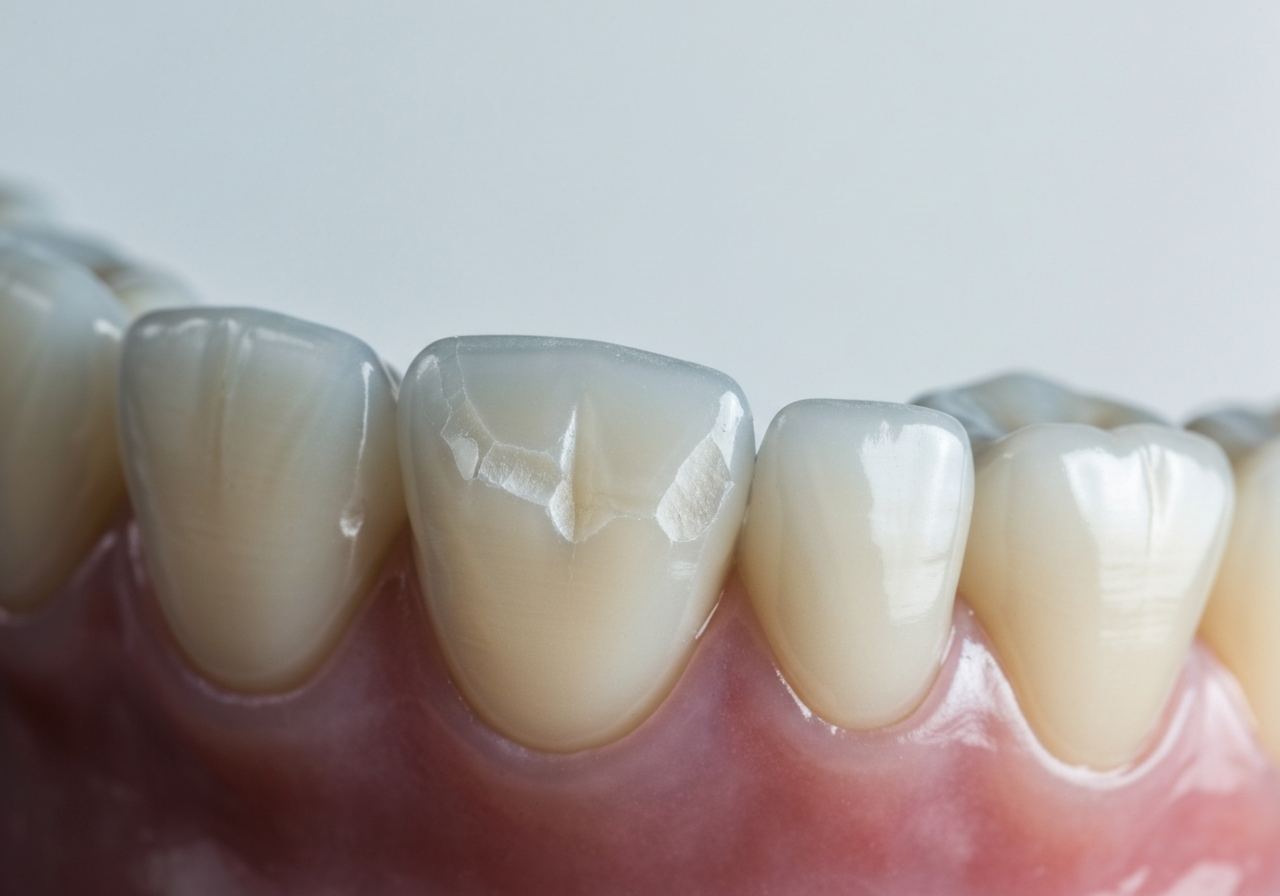
Restorative failure refers to the premature breakdown, chipping, debonding, or fracture of dental work such as fillings, crowns, veneers, or implants. Preventing this failure requires looking beyond the single tooth to understand the forces acting upon it.
Why Does It Matter?
Replacing failing dental work repeatedly leads to a cycle of 'drill and fill', progressively weakening the natural tooth until it may need to be extracted. By identifying why the failure occurred in the first place, we can break this cycle and provide restorations that last decades.
Signs & Symptoms
- Frequent chipping of front teeth or veneers
- Fillings that repeatedly fall out
- Crowns that come loose
- Unexplained pain or sensitivity in a recently restored tooth
- Visible wear facets (flat, shiny spots) on crowns or natural teeth
Common Causes
- Occlusal Disease: An unbalanced bite where teeth hit each other with too much force or at the wrong angle.
- Sleep Bruxism: Grinding or clenching during sleep, often a subconscious response to a restricted airway (sleep apnoea).
- Parafunctional Habits: Nail-biting, chewing ice, or using teeth as tools.
- Poor Structural Foundation: Placing a crown on a tooth that lacks sufficient healthy tooth structure.
- Secondary Decay: New cavities forming underneath or around the margins of old restorations due to poor hygiene or diet.
Diagnosis & Assessment
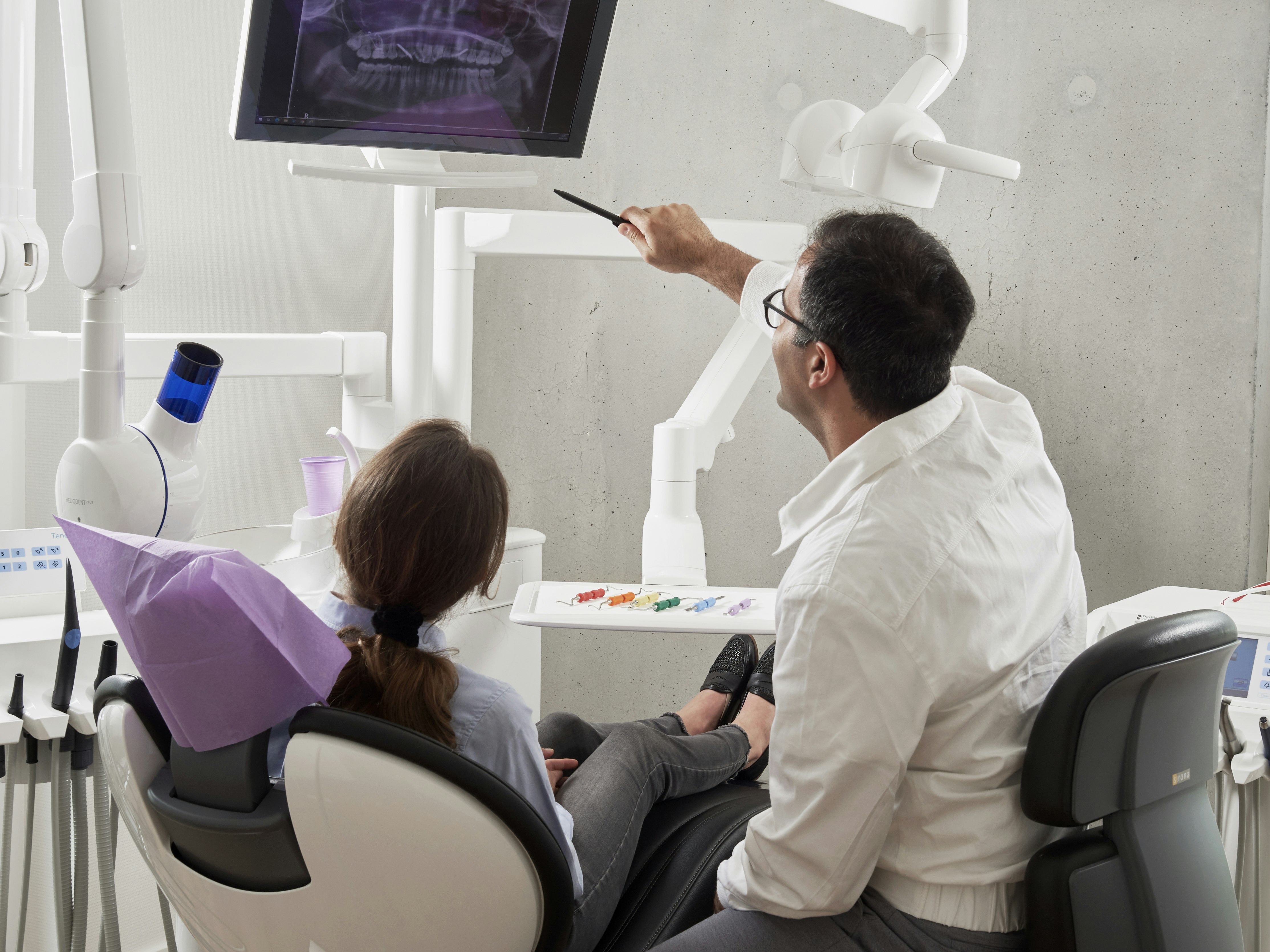
To prevent failure, we must diagnose the risk factors before treatment begins. At ASURA, we use the Kois Center protocol to evaluate your biomechanical risk (the structural integrity of your teeth) and your functional risk (how your teeth function when chewing and grinding). This often involves bite analysis and airway screening.
Treatment Options
- Equilibration: Minor adjustments to the teeth to balance the bite forces evenly.
- Orthodontics: Moving teeth into a structurally sound position before placing restorations.
- Airway Management: Treating underlying sleep apnoea to reduce nocturnal bruxism.
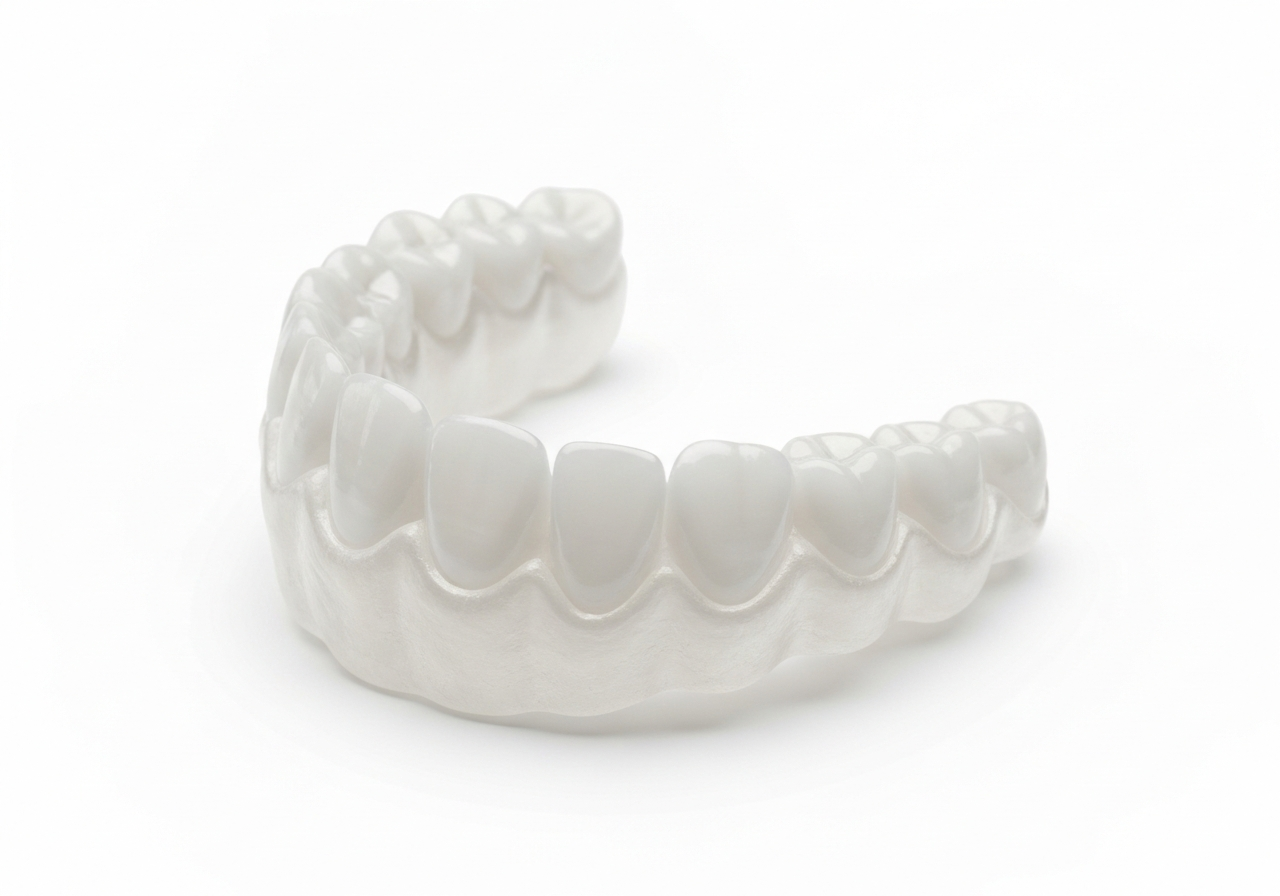
- Occlusal Splints: Custom night guards to protect restorations from grinding forces.
- Proper Material Selection: Choosing the right material (e.g., zirconia vs. lithium disilicate) based on the specific forces in your mouth.
Benefits
- Significantly increases the lifespan of your dental work.
- Protects your natural teeth from further damage.
- Saves money and time by avoiding repeated replacement procedures.
- Ensures a comfortable, functional bite.
Risks & Limitations
- Requires a comprehensive diagnostic phase before the actual restorative work begins, which may extend the treatment timeline.