Many people assume that as they get older, their teeth will naturally wear down. While some minor wear is expected over a lifetime, rapid or severe tooth wear is a sign of an underlying problem that needs to be addressed to prevent permanent damage.
What Is It?
Tooth wear is the progressive loss of a tooth's surface due to factors other than decay. It is generally categorized into three types: erosion (chemical dissolution by acid), attrition (tooth-to-tooth contact from grinding), and abrasion (mechanical wear from foreign objects like a hard toothbrush).
Why Does It Matter?
Enamel does not grow back. Once it is gone, the softer, yellower dentin underneath is exposed, leading to increased sensitivity, a higher risk of decay, and a compromised bite. Severe wear can ultimately lead to tooth loss or the need for extensive full mouth rehabilitation.
Signs & Symptoms
- Increased tooth sensitivity to hot, cold, or sweet foods
- Teeth appearing shorter or flatter
- Yellowing teeth (due to exposed dentin)
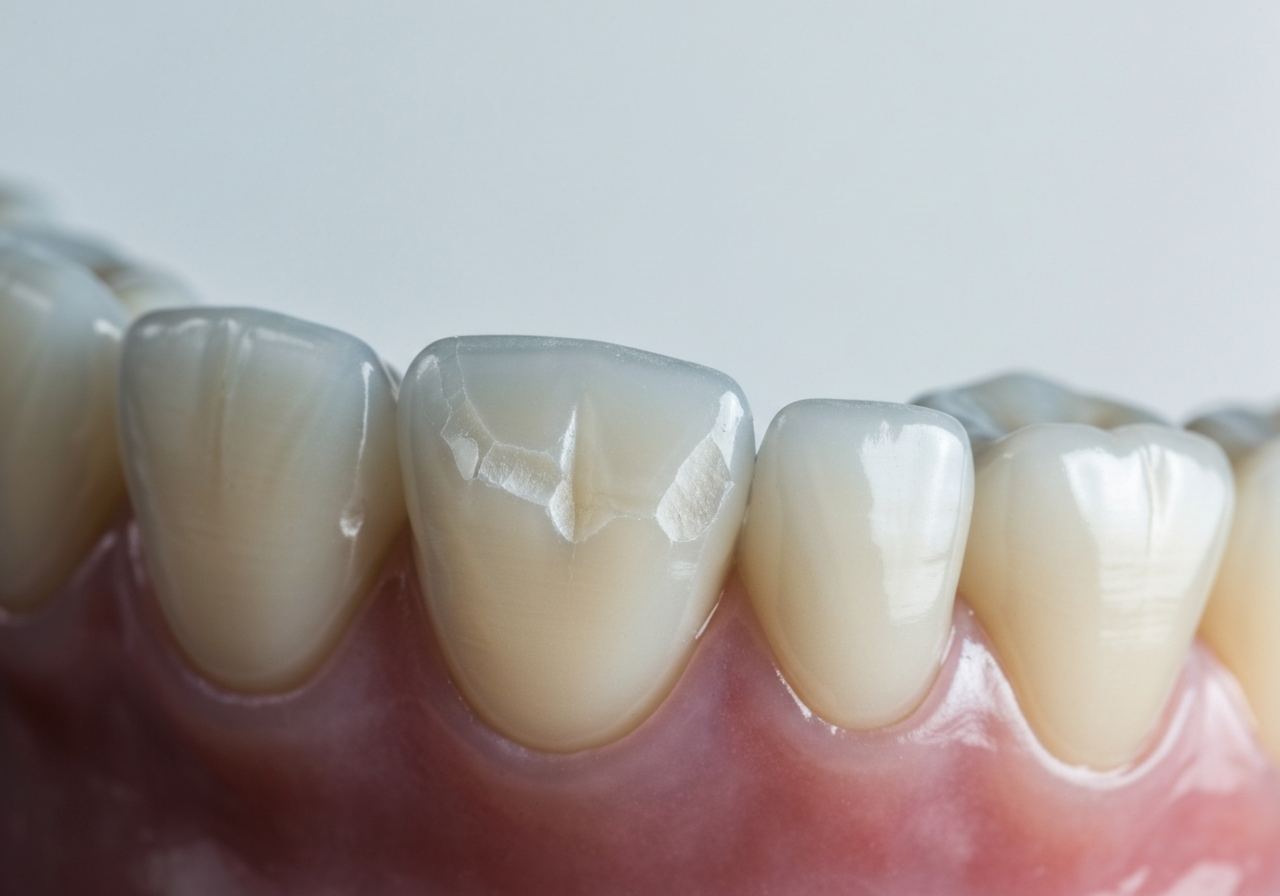
- Translucent or chipped edges on the front teeth
Common Causes
- Frequent consumption of acidic foods and drinks (citrus, sodas, wine)
- Gastroesophageal Reflux Disease (GERD) or frequent vomiting
- Sleep bruxism (grinding or clenching during sleep)
- Using a hard-bristled toothbrush or abrasive toothpaste
Diagnosis & Assessment
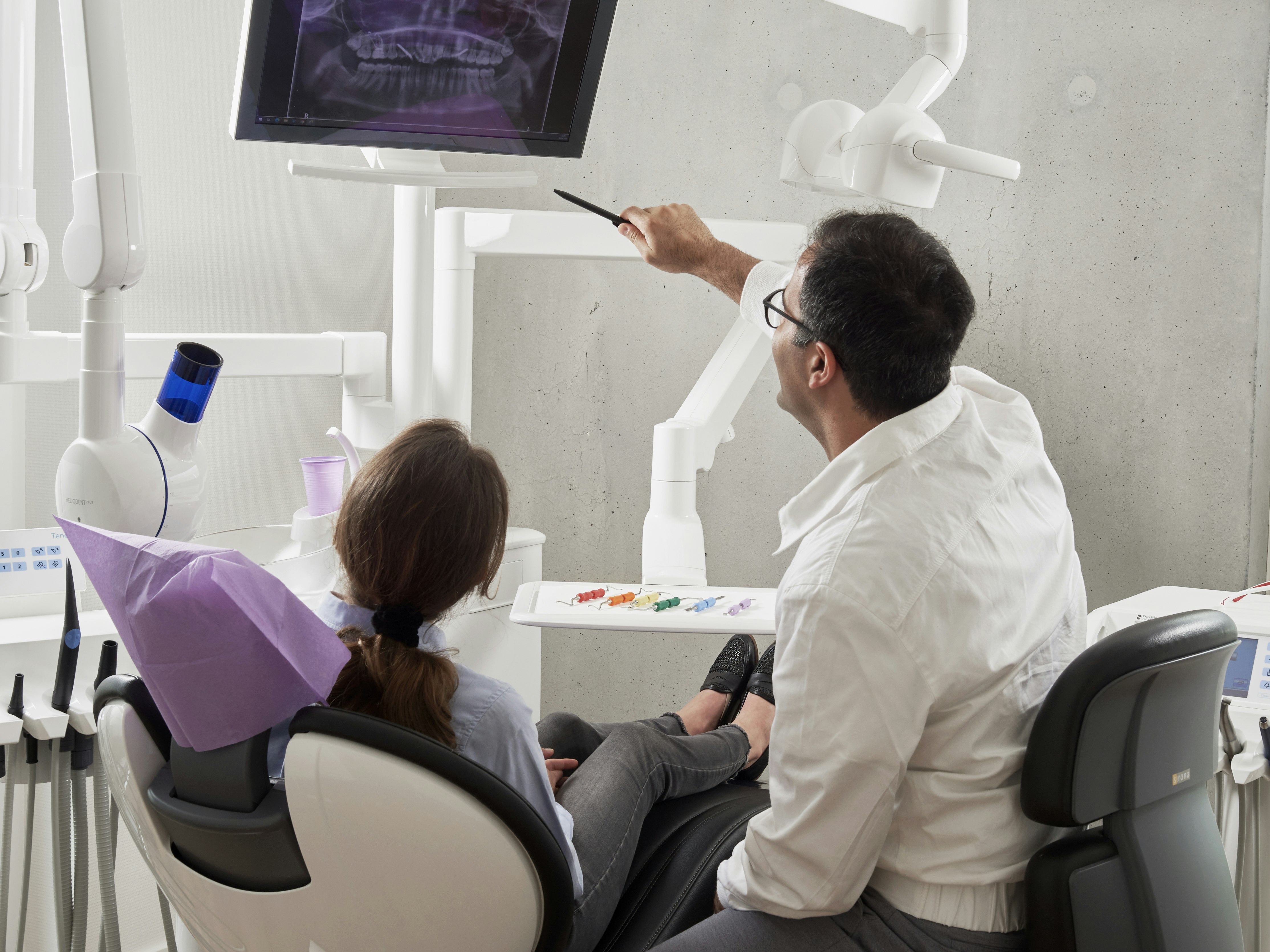
We conduct a thorough clinical examination to assess the pattern and severity of the wear. This helps us determine whether the primary cause is chemical (erosion), mechanical (attrition/abrasion), or a combination of both.
Treatment Options
- Dietary counseling to reduce acid exposure
- Prescription of high-fluoride toothpaste to strengthen enamel
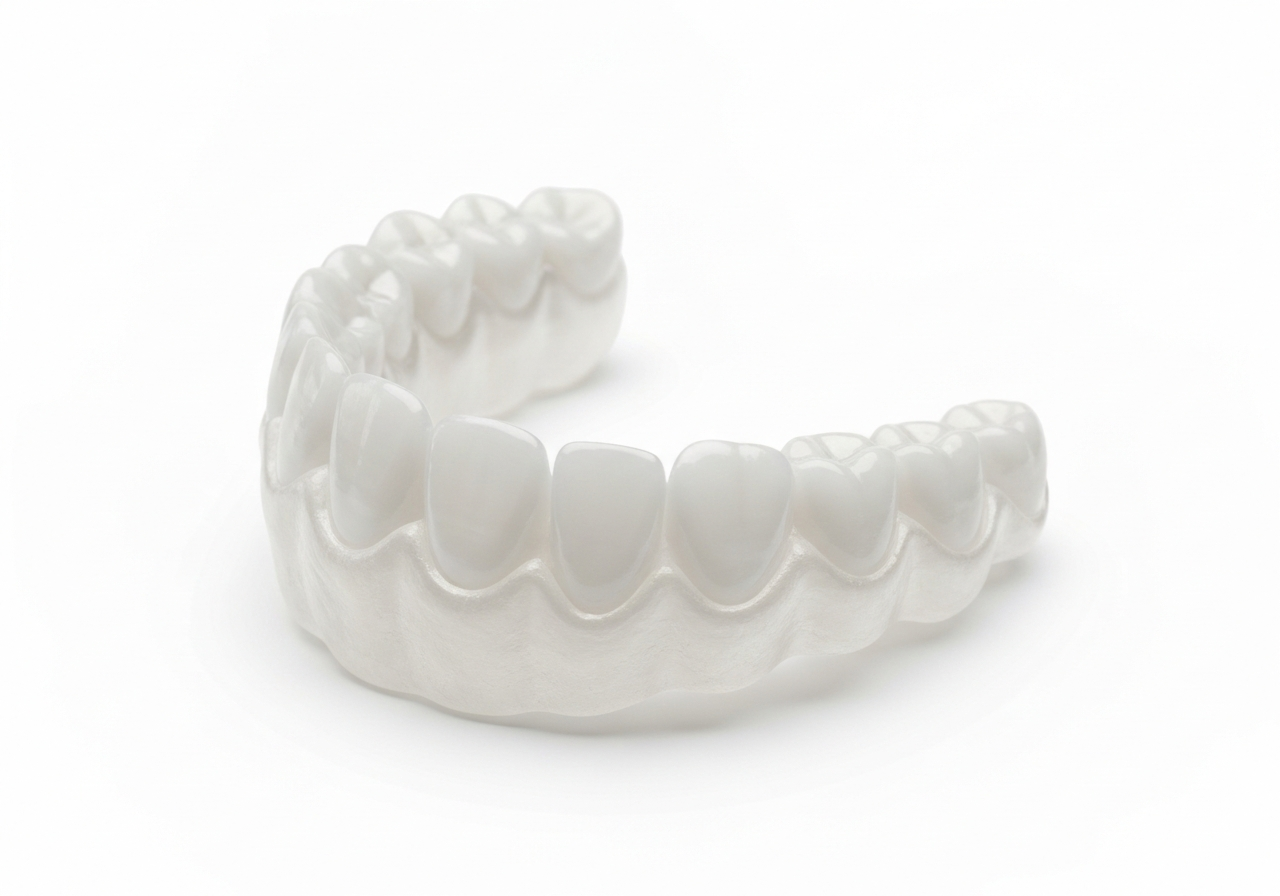
- Custom-fitted night guards to protect teeth from grinding
- Composite bonding or crowns to restore severely worn teeth
Benefits
- Halts the progression of tooth wear
- Alleviates tooth sensitivity
- Preserves natural tooth structure
- Prevents the need for more invasive treatments later
Risks & Limitations
- Restoring worn teeth may require complex treatment if the wear is advanced and the bite has collapsed.