The temporomandibular joint (TMJ) is one of the most complex joints in the body, connecting your lower jaw to your skull. When this joint, or the muscles surrounding it, becomes dysfunctional, it can cause significant pain and disrupt daily life. This is known as Temporomandibular Joint Disorder (TMD).
What Is It?
TMD is an umbrella term for various conditions affecting the jaw joint and masticatory (chewing) muscles. It often stems from an imbalance in 'occlusion' (the way your upper and lower teeth fit together).
Why Does It Matter?
Chronic TMJ pain can severely impact your quality of life, making it difficult to eat, speak, or sleep. Furthermore, the underlying imbalance often leads to accelerated tooth wear, fractured teeth, and failing dental work.
Signs & Symptoms
- Pain or tenderness in the jaw, face, neck, or shoulders
- Clicking, popping, or grating sounds when opening the mouth
- Difficulty chewing or sudden uncomfortable bite changes
- Locking of the jaw (unable to open or close fully)
- Frequent tension headaches or earaches
Common Causes
- Malocclusion (an uneven bite where teeth don't fit together properly)
- Bruxism (teeth grinding or clenching, often sleep-related)
- Trauma to the jaw or face
- Arthritis in the jaw joint
- Chronic stress leading to muscle tension
Diagnosis & Assessment
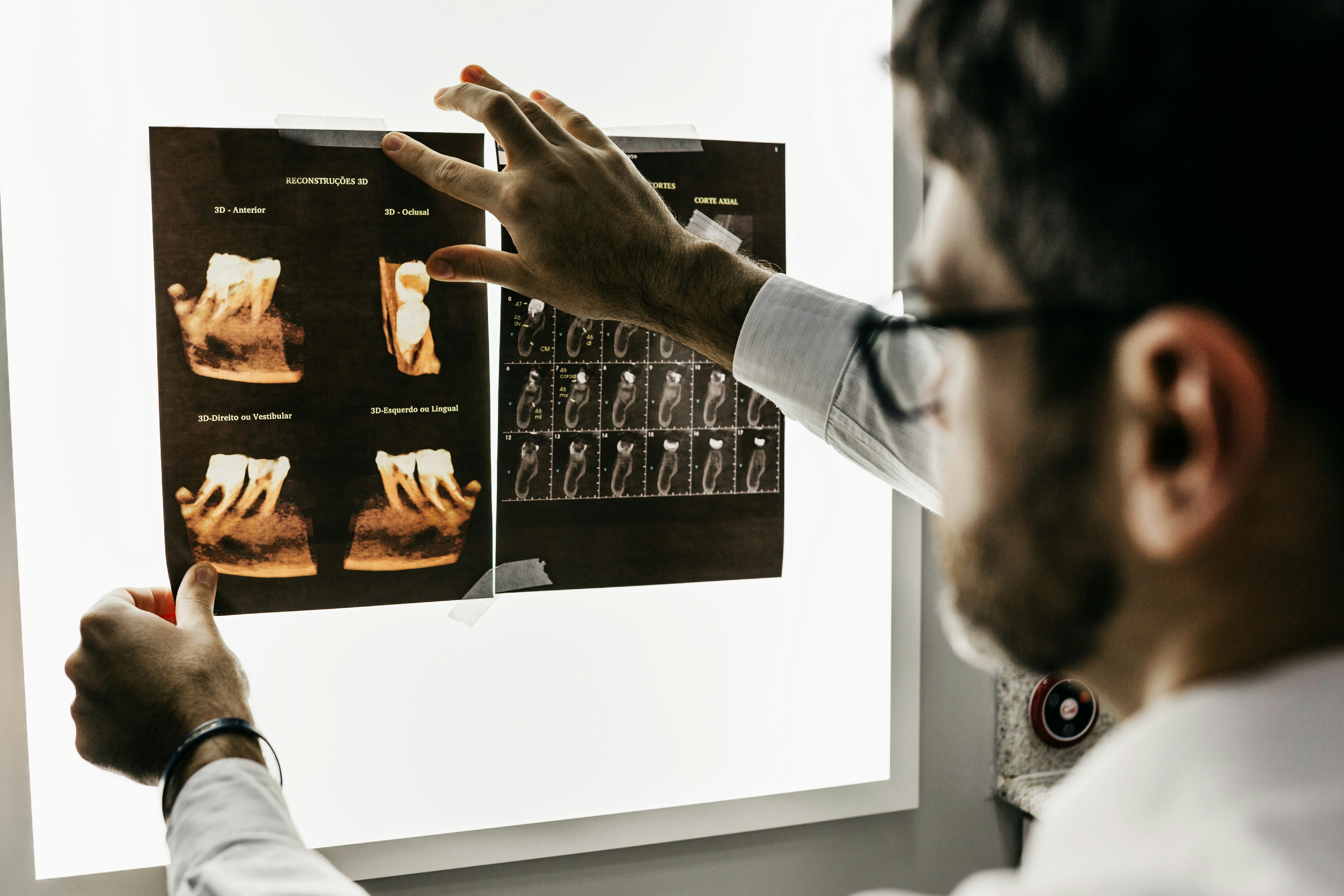
We use the Kois Center philosophy to evaluate the entire masticatory system. This involves a detailed clinical exam, analyzing your bite, checking muscle tenderness, and often using digital scans or CBCT imaging to assess the joint's physical structure.
Treatment Options
- Occlusal splints (custom bite guards) to deprogram muscles and protect teeth
- Equilibration (minor reshaping of teeth to balance the bite)
- Orthodontics to correct severe bite misalignment
- Restorative dentistry to rebuild worn teeth and establish proper function
- Physiotherapy and stress management
Benefits
- Relief from chronic facial pain and headaches
- Restored normal jaw function and range of motion
- Prevention of further tooth wear and damage
Risks & Limitations
- TMD can be chronic; treatment often focuses on management rather than a 'cure'.
- Requires patience, as muscle deprogramming and bite stabilization take time.