
Breathing is the most fundamental human function, yet many people struggle with restricted airways without even realizing it. Airway dentistry is an evolving field that recognizes the critical role the mouth, jaw, and teeth play in how well we breathe, especially when we sleep.
What Is It?
Airway dentistry is a specialized approach that focuses on identifying and treating structural issues in the mouth and jaw that may be obstructing the airway. It goes beyond traditional dentistry by looking at the functional relationship between the craniofacial structure and the respiratory system.
Why Does It Matter?
A restricted airway can lead to sleep-disordered breathing, including snoring and Obstructive Sleep Apnoea (OSA). Poor sleep quality affects every system in the body, increasing the risk of cardiovascular disease, cognitive impairment, and metabolic issues. By addressing the root cause of airway restriction, airway dentistry can significantly improve overall health and longevity.
Signs & Symptoms
- Chronic snoring
- Waking up feeling unrefreshed
- Daytime fatigue or sleepiness
- Mouth breathing (especially at night)
- Teeth grinding (bruxism)
Common Causes
- Narrow dental arches
- Recessed lower jaw (retrognathia)
- Enlarged tonsils or adenoids
- Incorrect tongue posture
Diagnosis & Assessment
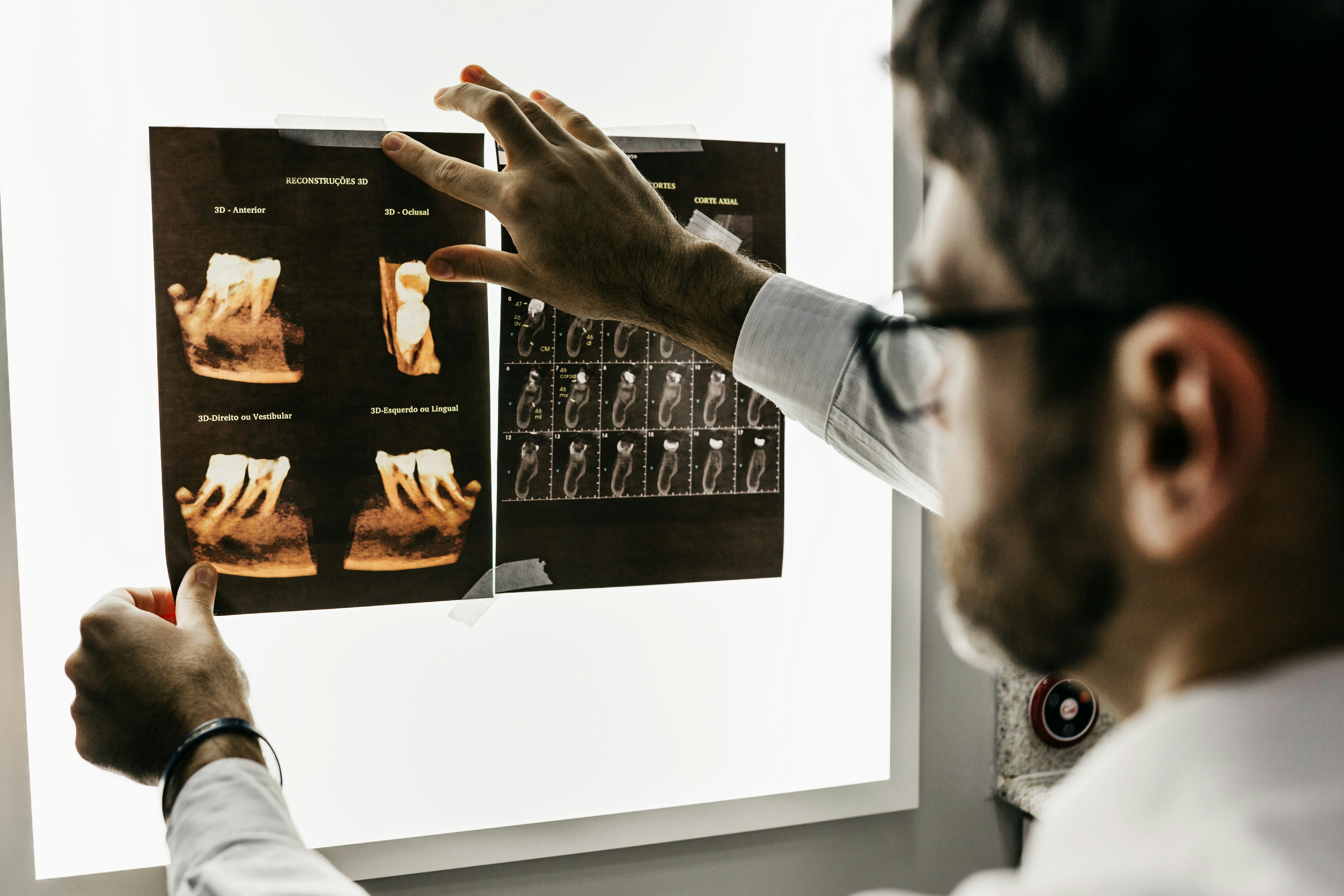
Diagnosis typically involves a comprehensive evaluation, including a review of medical and sleep history, clinical examination of the oral cavity and airway, CBCT (Cone Beam Computed Tomography) imaging to visualize the airway in 3D, and sometimes a referral for a sleep study.
Treatment Options
- Orthodontic expansion (e.g., MARPE/MSE) to widen the upper jaw
- Mandibular Advancement Devices (MAD) for sleep apnoea
- Myofunctional therapy to improve tongue posture and muscle function
- Surgical interventions in severe cases (in collaboration with specialists)
Benefits
- Improved sleep quality and daytime energy
- Reduction or elimination of snoring
- Lower risk of systemic health issues related to poor sleep
- Better overall quality of life
Risks & Limitations
- Treatment success depends on the individual's specific anatomy and compliance.
- May require coordination with medical doctors, such as ENT specialists or sleep physicians.