More adults than ever are seeking orthodontic treatment to improve their smile, bite function, and overall oral health. The two primary options are clear aligners (such as Invisalign or Spark) and traditional fixed braces. Both are highly effective, but they work in different ways.
What Is It?
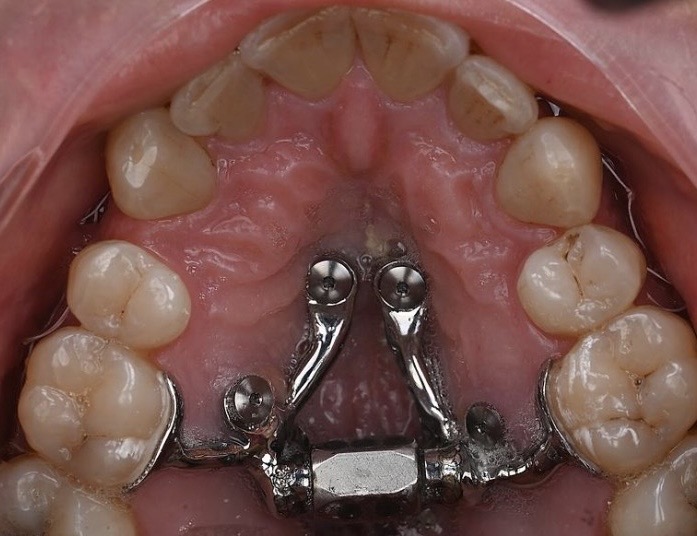
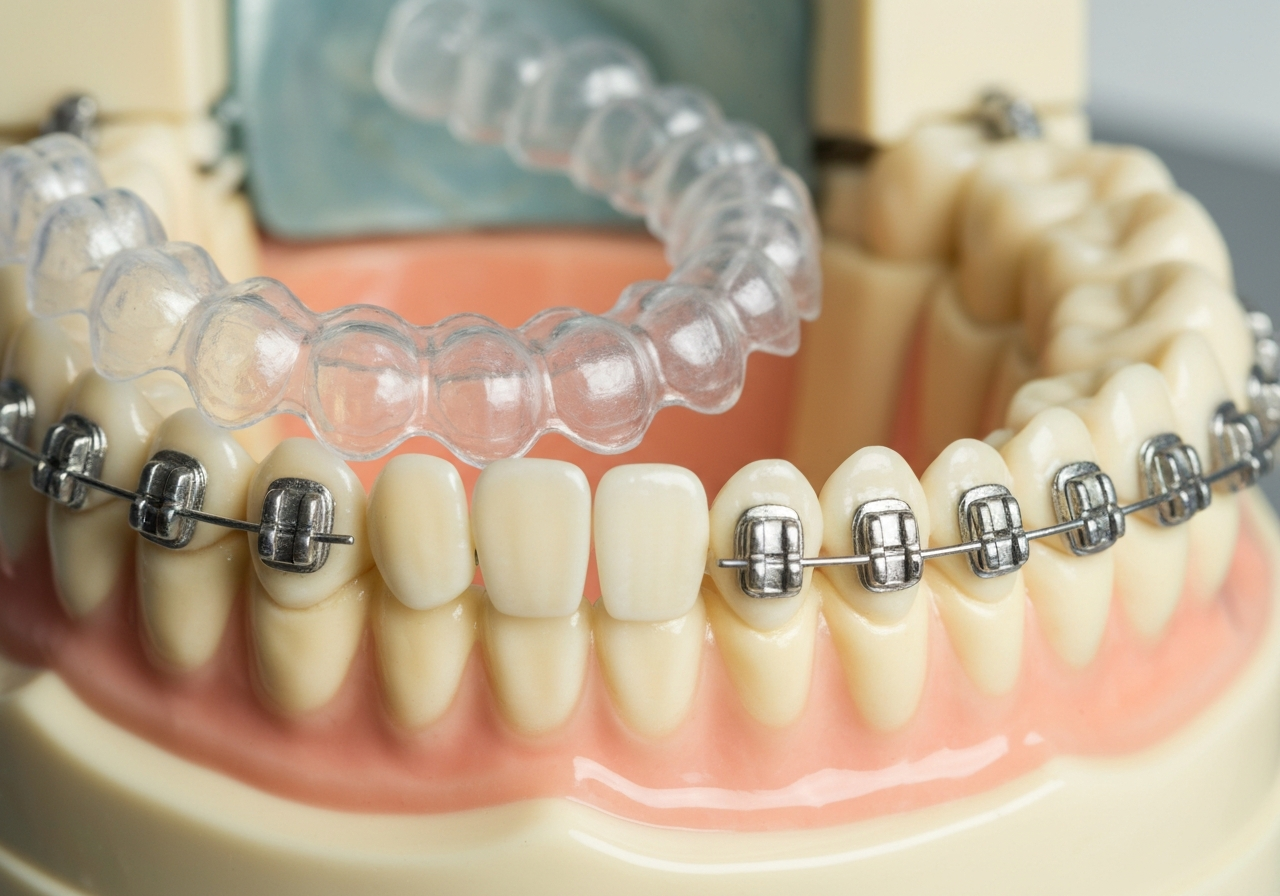
Clear aligners are a series of custom-made, transparent plastic trays that gently guide teeth into position. Fixed braces consist of metal or ceramic brackets glued to the teeth, connected by a wire that exerts continuous pressure to move them.
Why Does It Matter?
Choosing the right orthodontic appliance is crucial. It affects your daily life during treatment (eating, cleaning, appearance) and the predictability of the final clinical outcome.
Diagnosis & Assessment
A comprehensive orthodontic assessment, including digital scans, photographs, and X-rays, is necessary to determine which appliance can effectively achieve the desired results for your specific bite.
Benefits
- Both options effectively straighten teeth and improve bite function.
- A straighter smile is easier to clean, reducing the risk of gum disease and decay.
- Proper alignment can prevent uneven tooth wear and TMJ issues.
Pros and Cons of Clear Aligners
Pros: Aesthetically pleasing (nearly invisible), removable for eating and brushing, generally more comfortable with no sharp wires, and fewer emergency visits.
Cons: Requires strict compliance (must be worn 22 hours a day), can be easily lost, and may struggle with certain complex tooth movements (like severe rotations or vertical changes).
Pros and Cons of Fixed Braces
Pros: Works continuously without relying on patient compliance, highly precise control over complex tooth movements, and suitable for almost all orthodontic cases.
Cons: Highly visible (though ceramic options are less noticeable), makes brushing and flossing more challenging, dietary restrictions (avoiding hard/sticky foods), and potential for wire irritation.