Asura Longevity Dentistry Logo
01494 372472
MARPE for Underbite (Class III) in Adults: Can Expansion Help?
Orthodontics 6 min read

MARPE for Underbite (Class III) in Adults: Can Expansion Help?

Expansion can help some adult underbites by widening the arch and, combined with protraction, encouraging forward movement. But a true skeletal underbite often needs orthognathic surgery. Here is how the decision is made.

Clinically reviewed by Dr Komal Suri · 15 September 2026
Published September 2026

Quick Summary

What You Need To Know

An underbite may be dental or skeletal. Expansion plus protraction can help some adults by widening the arch and encouraging limited forward movement. A true skeletal Class III discrepancy in an adult often requires orthognathic surgery. The decision is made on diagnosis, not assumption.

Key Takeaways

  • Underbites can be dental or skeletal in origin.
  • Expansion plus protraction may help selected adults.
  • A true skeletal Class III in adults often needs orthognathic surgery.
  • The decision is made on CBCT diagnosis, not assumption.

Who Is This For?

Adults with an underbite (Class III) wondering whether expansion alone can correct it.

Typical Outcome

A clear understanding of when expansion can help an underbite and when surgery remains the appropriate option.

An underbite — where the lower teeth sit in front of the upper teeth — is a Class III relationship. Adults with an underbite often ask whether expansion can correct it. The honest answer is: it depends whether the underbite is dental or skeletal, and how severe the skeletal discrepancy is.

What Is It?

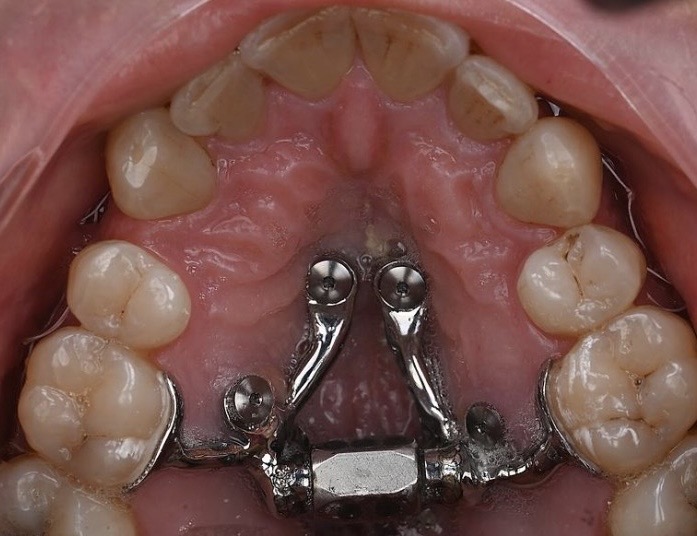
A dental underbite is caused by the position of the teeth within a normal skeletal framework. A skeletal underbite is caused by the jaws themselves: the lower jaw is too far forward, the upper jaw is too far back, or both. Expansion addresses the width of the upper jaw; it does not directly move the upper jaw forward.

Why Does It Matter?

Treating a skeletal problem with a dental solution leads to unstable, compromised results. Correctly diagnosing whether your underbite is dental, skeletal, or a combination is the single most important step before any treatment decision.

Diagnosis & Assessment

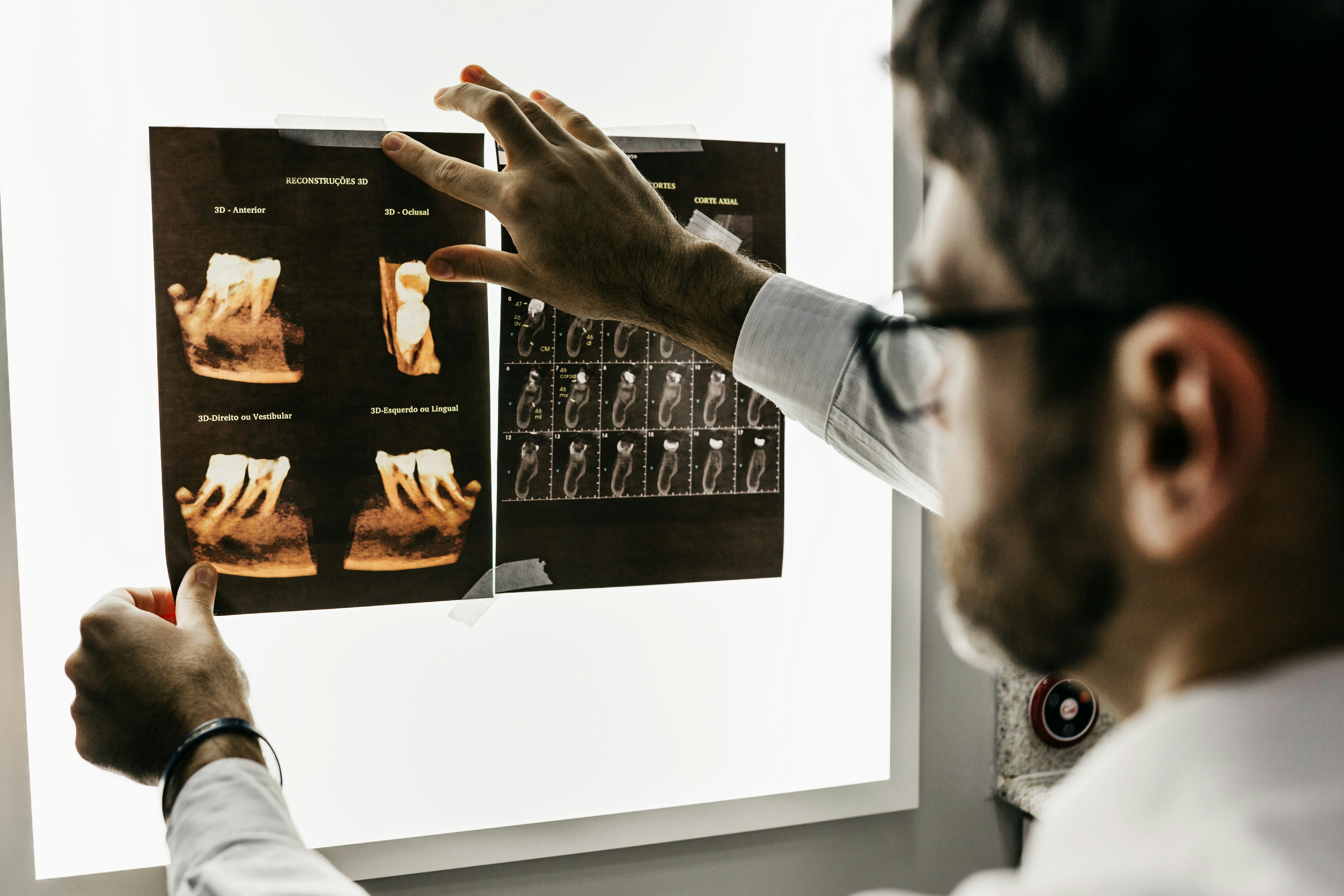
The decision is made on CBCT diagnosis. We assess the skeletal pattern, the amount of skeletal discrepancy, the suture and the soft-tissue profile, then recommend honestly whether expansion, expansion with protraction, or orthognathic surgery is most appropriate for you.

Benefits

  • Expansion can help underbites with a transverse (width) component.
  • Combined with protraction, it may contribute to limited forward movement.
  • An honest diagnosis protects you from the wrong treatment.

Risks & Limitations

  • Expansion alone cannot correct a true skeletal Class III discrepancy.
  • Forward movement in adults is variable and cannot be guaranteed.
  • Some cases require orthognathic surgery, which is a bigger commitment.

When expansion can help

If the upper jaw is narrow and the underbite has a transverse component, widening the maxilla with expansion can create space and improve the arch relationship. Where some forward movement of the upper jaw is also desired, expansion can be combined with protraction (for example BAMP), though the amount of forward movement in adults is variable and cannot be guaranteed.

When orthognathic surgery is the right option

If the underbite is a true skeletal Class III discrepancy — a significant mismatch between the upper and lower jaws — expansion and protraction alone will not correct it. In these cases, orthognathic surgery (jaw surgery) combined with orthodontics remains the appropriate and predictable option. This is not a failure of expansion; it is the correct treatment for a different problem. See our adult orthodontics page for more on combined orthodontic-surgical planning.
Frequently Asked Questions

Can MARPE fix an underbite in adults?

MARPE can help where the underbite has a transverse (width) component by widening the upper jaw. Where forward movement is also needed, expansion can be combined with protraction such as BAMP. However, a true skeletal Class III discrepancy in an adult often requires orthognathic surgery rather than expansion alone.

How do I know if my underbite is dental or skeletal?

Only a diagnostic assessment can tell. A CBCT allows us to evaluate the position of the jaws relative to each other and determine whether your underbite is dental, skeletal, or a combination. This diagnosis is essential before any treatment decision is made.

What happens if expansion is not enough?

If the underbite is a true skeletal Class III discrepancy, orthognathic surgery combined with orthodontics remains the appropriate and predictable option. This is not a failure of expansion; it is the correct treatment for a skeletal problem that expansion alone cannot solve.

How much does assessment cost?

The Palate Expansion Diagnostic Package is £2,800 and includes your CBCT with a written report. A standalone CBCT with report is £350. The assessment is required to determine whether expansion, protraction or surgery is most appropriate for your individual case.

Dr Steffen Decker

Specialist Orthodontist · Dr Med Dent, Specialist Orthodontist · GDC No. 131767

Clinical expert at ASURA Longevity Dentistry. Dedicated to evidence-based care, advanced diagnostics, and long-term oral health.

View Full Profile →

Ready to improve your oral health?

Book a comprehensive assessment with our clinical team to discuss your personalized treatment plan.

Continue Reading

Related Articles

View all
Modern Adult Orthodontics: Beyond Aesthetics
Orthodontics
6 min read

Modern Adult Orthodontics: Beyond Aesthetics

Why more adults are choosing orthodontic treatment not just for a straighter smile, but to improve bite function, airway health, and dental longevity.

Read article
FME Expander UK: What the Facegenics Midface Expander Is and Who It Suits
Orthodontics
6 min read

FME Expander UK: What the Facegenics Midface Expander Is and Who It Suits

The FME (Facegenics Midface Expander) is a patented, proprietary bone-anchored expander. Learn what it is, how it differs from MSE, and who may be a candidate.

Read article
Does MARPE or FME Cause Forward Growth of the Maxilla? What the Evidence Suggests | ASURA
Orthodontics
6 min read

Does MARPE or FME Cause Forward Growth of the Maxilla? What the Evidence Suggests | ASURA

Bone-anchored expansion reliably widens the maxilla. A number of clinicians and early studies report some forward and downward midface change in a proportion of patients. The amount varies considerably and the evidence is still evolving.

Read article