There is a common misconception that braces are a rite of passage reserved only for teenagers. Today, adults make up a significant and growing percentage of orthodontic patients. While the desire for a beautiful smile is a powerful motivator, modern adult orthodontics is increasingly focused on function, longevity, and overall health.
What Is It?
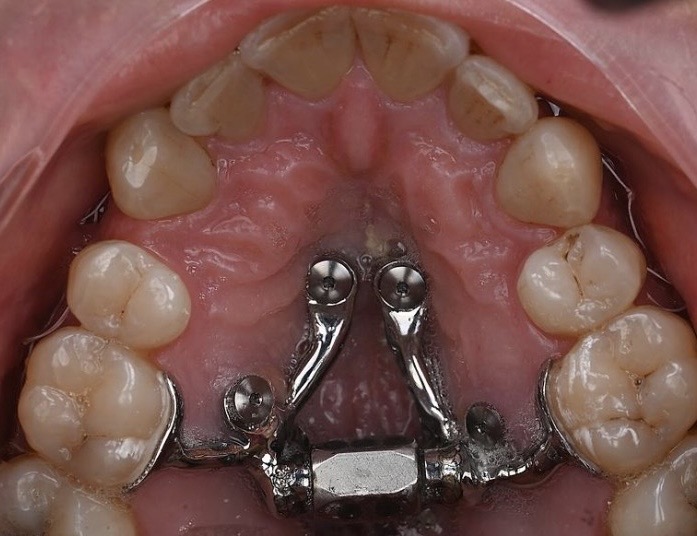
Adult orthodontics involves the use of clear aligners (like Invisalign), traditional fixed braces, or lingual braces to move teeth into their optimal positions. Because adult jawbones have stopped growing, treatment focuses on tooth movement, though advanced techniques like MARPE can address skeletal issues.
Why Does It Matter?
Teeth that are crowded, spaced, or misaligned are much harder to keep clean, increasing the risk of periodontal disease and decay. More importantly, a misaligned bite (malocclusion) places abnormal stress on the teeth and jaw joints, leading to premature wear, chipping, and TMJ disorders.
Signs & Symptoms
- Visible crowding or gaps between teeth
- Difficulty flossing due to overlapping teeth
- Uneven wear on the biting surfaces of the teeth
- Biting the inside of the cheek or lip frequently
- Jaw pain or clicking
Common Causes
- Relapse from previous childhood orthodontic treatment (often due to not wearing retainers)
- Natural shifting of teeth as we age
- Loss of a tooth causing adjacent teeth to drift
- Underlying skeletal discrepancies
Diagnosis & Assessment
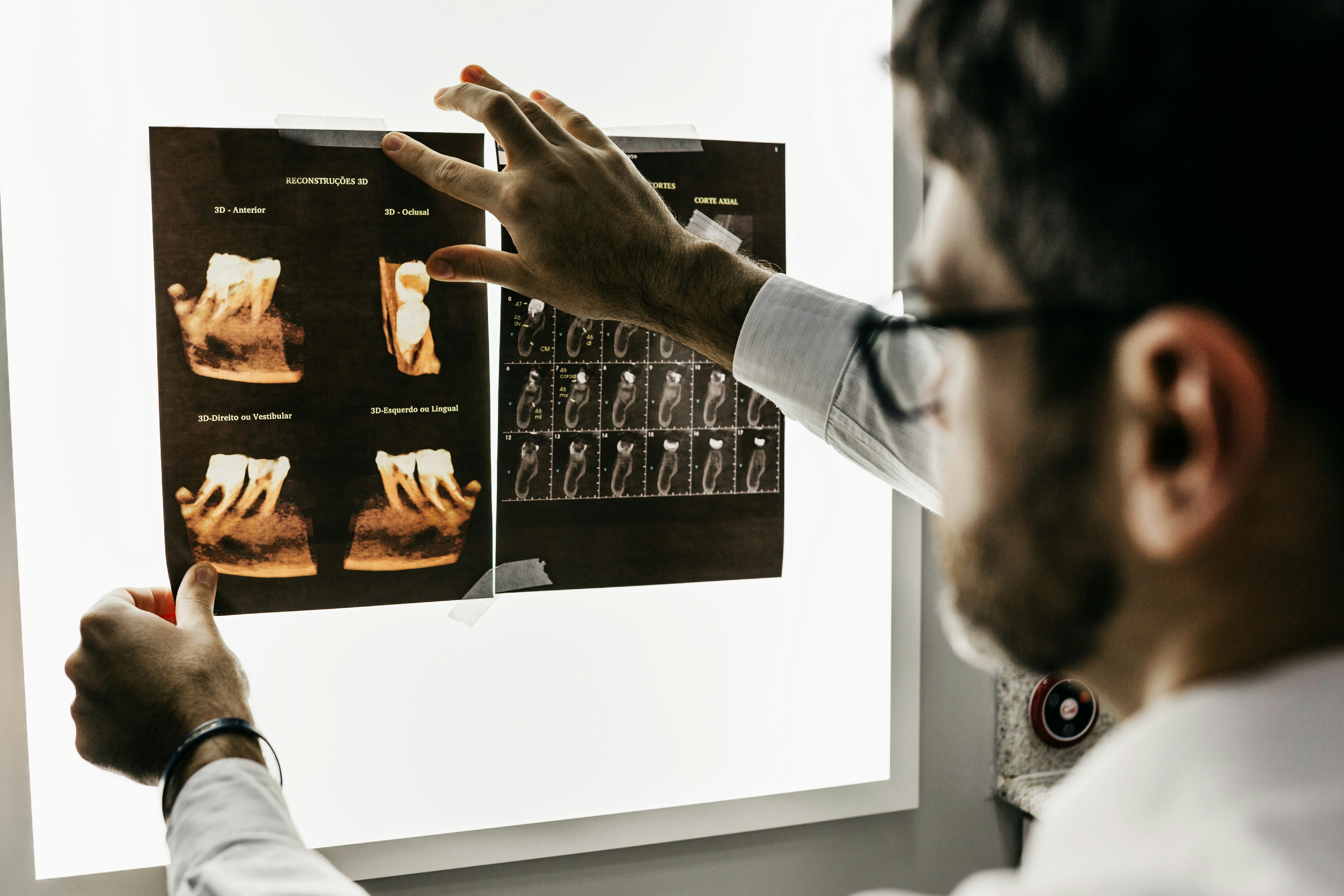
A comprehensive adult orthodontic assessment includes digital 3D scanning, clinical photographs, and radiographic imaging (CBCT or panoramic X-rays). We evaluate not just the alignment of the teeth, but the health of the gums, the bone support, the TMJ, and the airway.
Treatment Options
- Clear Aligners: Discreet, removable trays ideal for mild to moderate cases.
- Ceramic Fixed Braces: Tooth-colored brackets that offer precise control for complex movements.
- Lingual Braces: Braces placed on the back of the teeth, completely hidden from view.
- Pre-Restorative Orthodontics: Moving teeth into the correct position to create space for an implant or to minimize the amount of tooth structure removed for a veneer.
Benefits
- Improves oral hygiene by making teeth easier to clean.
- Balances bite forces, protecting teeth from abnormal wear and fracture.
- Can alleviate TMJ pain and muscle tension.
- Provides a significant boost in self-confidence.
Risks & Limitations
- Adult bone is denser, so treatment may take slightly longer than in adolescents.
- Adults are more susceptible to gum disease, so meticulous oral hygiene during treatment is mandatory.
- Skeletal issues cannot be corrected with braces alone; they may require expansion or surgery.